EUR
EUR
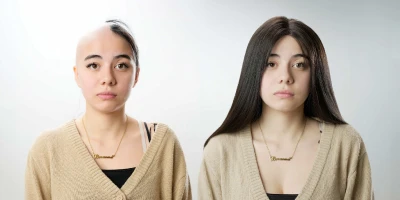
10-Point Checklist of What to Look for in a Wig for Alopecia
Posted by Sanatan fell on Oct 01, 2026
Key Takeaways
- About 2% of people will develop alopecia areata in their lifetime.
- The best wig for alopecia is usually a 100% human hair medical wig with a silicone base, which grips a bald scalp without glue.
- Look for a French lace front for a natural hairline and a diamond lace or mono silk top for a realistic scalp.
- Most human hair medical wigs last 6 to 8 months with daily wear.
- Insurance may cover a medical wig prescribed as a "cranial prosthesis."
Losing your hair suddenly to alopecia can bring a whirlwind of emotions. Shock, stress, anxiety, and self-consciousness become a part of living with alopecia, but it doesn’t always have to be so. Solutions like medical wigs can make life a bit easier.
An alopecia wig does just this! Add to that a hair loss community that understands your journey, helps reduce stigma, and shares practical support with everyone living with hair loss.
The sad reality is that Alopecia can happen to anyone, at any time, no matter your age or family history with it. See how this 7-year-old alopecia warrior chooses to conquer alopecia every day with so much resilience and courage; there is definitely so much to learn from her:
What Is Alopecia?
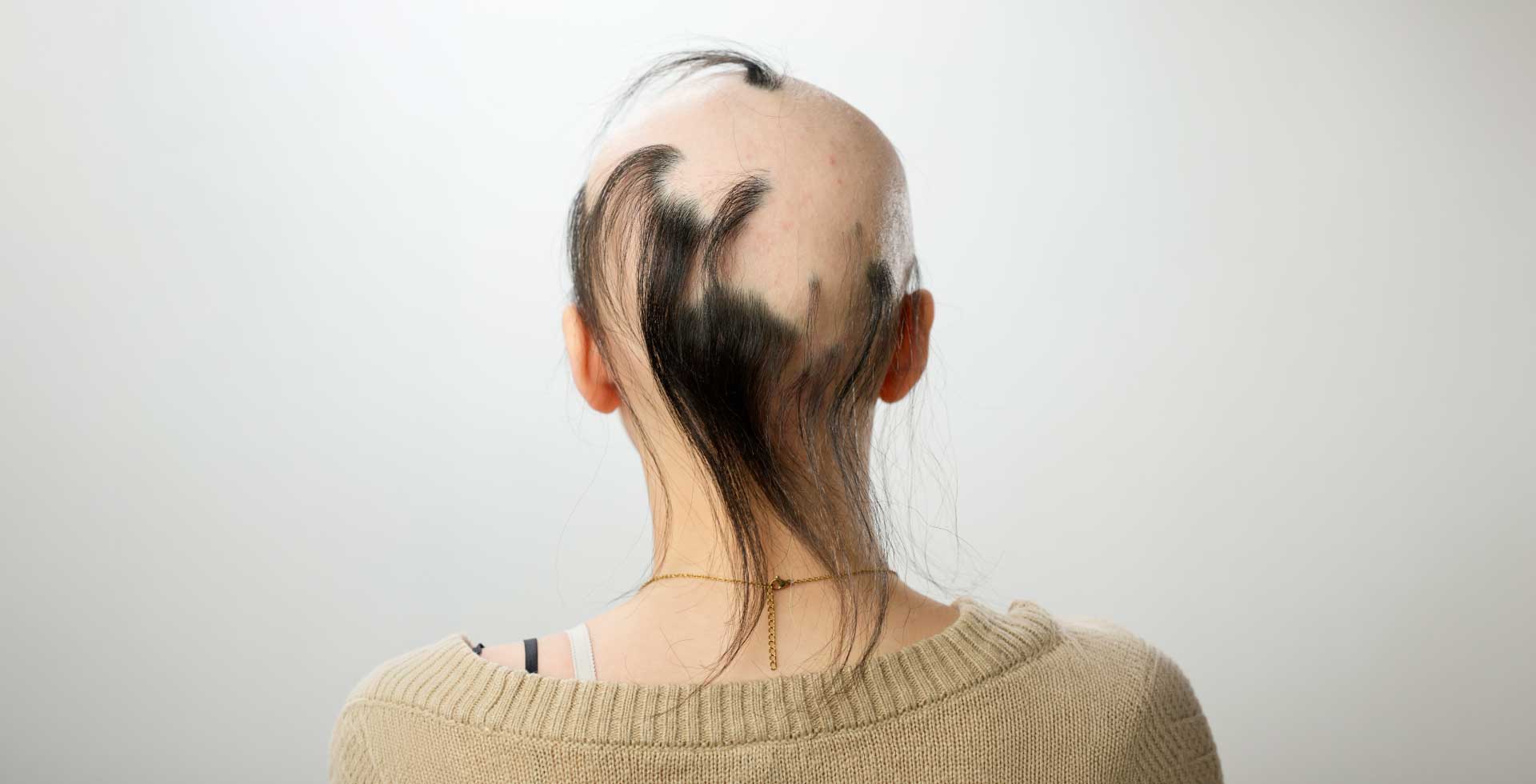
Alopecia is a form of medical hair loss that comes in many types.
Androgenetic alopecia (male pattern hair loss) is genetic and the most common type. You can inherit it from either parent.
Alopecia areata is an autoimmune condition causing round, patchy hair loss. It can progress to alopecia totalis (loss of all scalp hair) or alopecia universalis (loss of all body hair, including brows and lashes). Telogen effluvium is sudden, temporary shedding after illness, childbirth, or major stress.
Traction alopecia comes from long-term pulling, like tight braids or ponytails.
Scarring alopecias, such as frontal fibrosing alopecia and CCCA, should always be evaluated by a doctor.
Patients with alopecia-related hair loss can choose to use our medical wigs to conceal baldness and live their regular lifestyle freely.
Alopecia by the Numbers
Alopecia areata is common. An estimated 6.7 million people in the U.S. and 160 million worldwide have alopecia areata, which carries a 2% lifetime risk. At any given time, about 700,000 people in the U.S. live with some form of it. A systematic review found it is the most prevalent autoimmune disorder and the second most common hair loss disorder after androgenetic alopecia.
It can affect anyone. There's no clear difference between men and women, but it occurs more often among Asian, Black, and Hispanic patients, and the average age of onset is 32 for men and 36 for women. Children are affected too, with an estimated lifetime risk of 1% to 2%.
Family history matters. About 1 in 5 people with alopecia areata has at least one family member with the disease, and risk rises further if that relative lost their hair before age 30.
Regrowth is possible but unpredictable. Between 34% and 50% of people with patchy hair loss recover on their own within a year, but most experience recurrence, fewer than 10% recover completely, and about 10% progress to alopecia totalis or universalis.
Pattern hair loss is even more widespread. According to the NIH, androgenetic alopecia affects an estimated 50 million men and 30 million women in the United States. In women, hair thins at the top of the head and the part widens, but it rarely leads to total baldness, which is why many women choose a hair topper rather than a full wig.
The emotional toll is real. According to a 2023 meta-analysis published in JAMA Dermatology, a systematic review and meta-analysis of 29 articles on depression and 26 on anxiety showed that 7% to 17% of patients with AA had depressive or anxiety disorders, and more than one-third of patients with alopecia areata (AA) had symptoms. These results are greater than those observed in the general population.
Treatment options are growing. The FDA has approved three JAK inhibitors for severe alopecia areata: baricitinib in June 2022 for adults, ritlecitinib in June 2023 for ages 12 and up, and deuruxolitinib in 2024 for adults. There's still no cure, and results vary, so many people wear a medical wig during treatment, flare-ups, or long-term.
"Pay attention to your hair. Alopecia can be treated and, depending on the type, even halted if caught soon enough. If you see your hair thinning, speak to your doctor first. Sometimes, even the lack of certain vitamins can be the culprit." — Tara Gerhart, a former Non-surgical Hair Replacement Expert at Superhairpieces.
Myth-buster: Hard water doesn't cause hair loss. As hair loss specialist Nicole Budani explained on the Superhairpieces Hairs To You podcast, water can change how hair feels, but not whether you lose it.
What Is a Medical Wig?
A medical wig, also called a cranial prosthesis, is designed for people with hair loss from a medical condition or treatment, such as alopecia, chemotherapy, or trichotillomania. Unlike fashion wigs, which sometimes rely on existing hair for grip, medical wigs are built for a bald or sensitive scalp. They are generally glueless and feel comfortable against a bare scalp.
10 Things to Look for in a Wig for Alopecia
- A silicone base or grip strips. A bald scalp gives combs and clips nothing to hold. Medical-grade silicone creates a gentle, suction-like grip. This is the most important feature for alopecia totalis and universalis.
- Glueless attachment. Sensitive skin often reacts to daily glue and tape. Look for glueless wigs with small poly tabs at the temples and nape for optional tape on active days. Some medical wigs, like those from Superhairpieces, also come with an adjustable strap at the nape for a snug, better fit.
- A French lace front. It creates a natural-looking hairline and mimics hair growing from your skin so that you can wear hair off your face confidently.
- The right top. A lace top is soft and breathable, great for sensitive skin, and makes any part look realistic.
- 100% human Remy hair. It looks and moves most naturally, can be heat-styled, and tangles less.
- Hand-tied construction. Each strand is individually knotted, so hair moves freely, and the cap stays soft and light.
- The right cap size. Measure circumference from front to back and ear to ear. If stock sizes don't fit, go custom.
- Natural density. Around 100% to 120% looks most natural for most adults.
- All-day comfort. Choose lightweight, breathable materials. A silicone wig grip headband adds comfort and security for partial hair loss.
- Durability and care. Plan to replace it every 6 to 8 months, and ask about subscription or repair services.
Pro tip: Match the wig to your hair loss: Patchy alopecia areata may suit a hair topper. Alopecia totalis or universalis usually calls for a silicone base wig.
Best Medical Wigs for Alopecia at Superhairpieces
Literally every wig on the Superhairpieces Medical Wigs page. But here are some for you to consider:
Selena
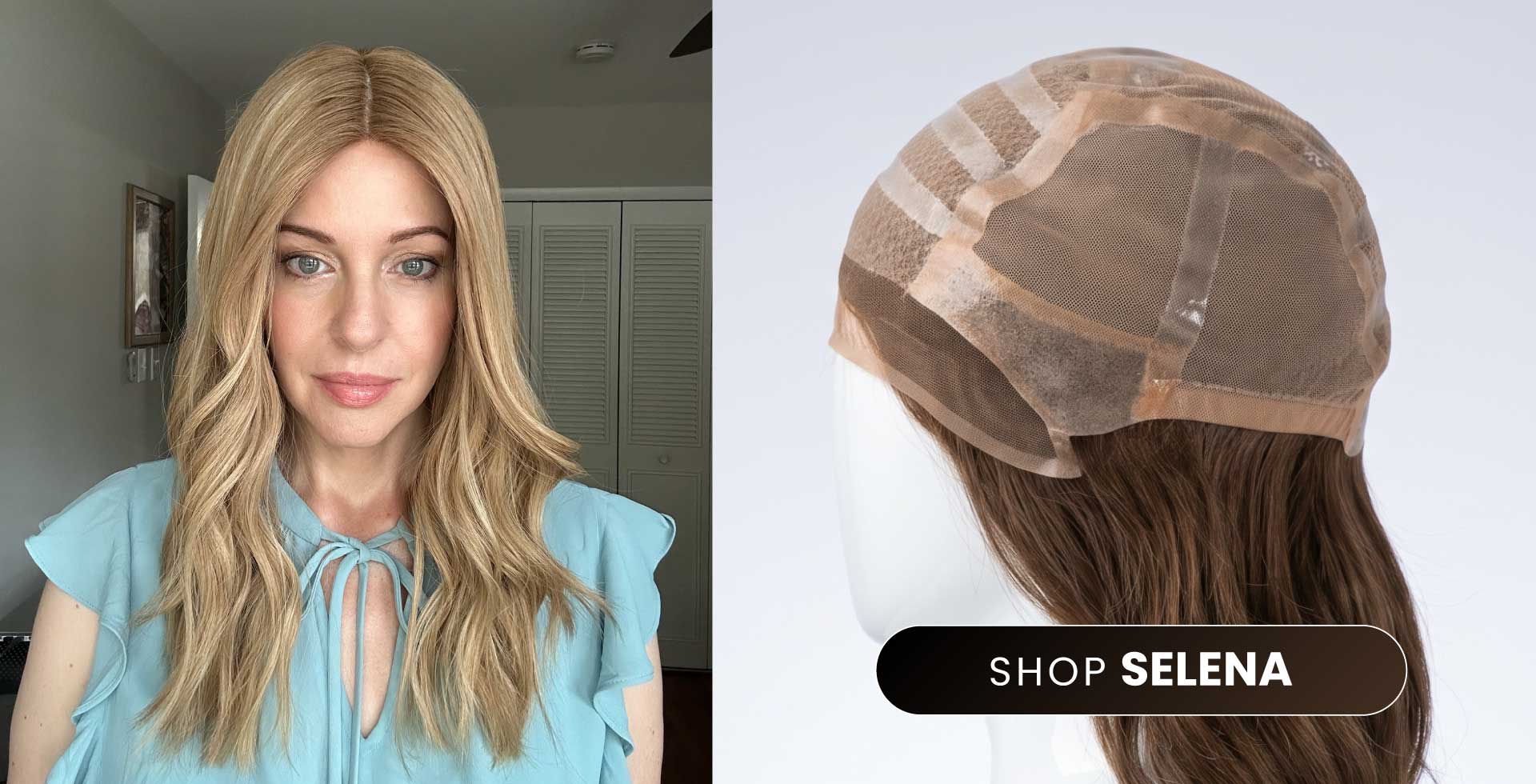
- Length: About 20", sleek and mid-length with minimal layers
- Base: Silicone with a suction effect that holds the wig in place during activity
- Hairline: Diamond lace top that blends into a French lace front
- Extras: Polyurethane tabs at the neck and temples make it easy to apply
- Best for: A simple, polished look that stays secure all day
Coco
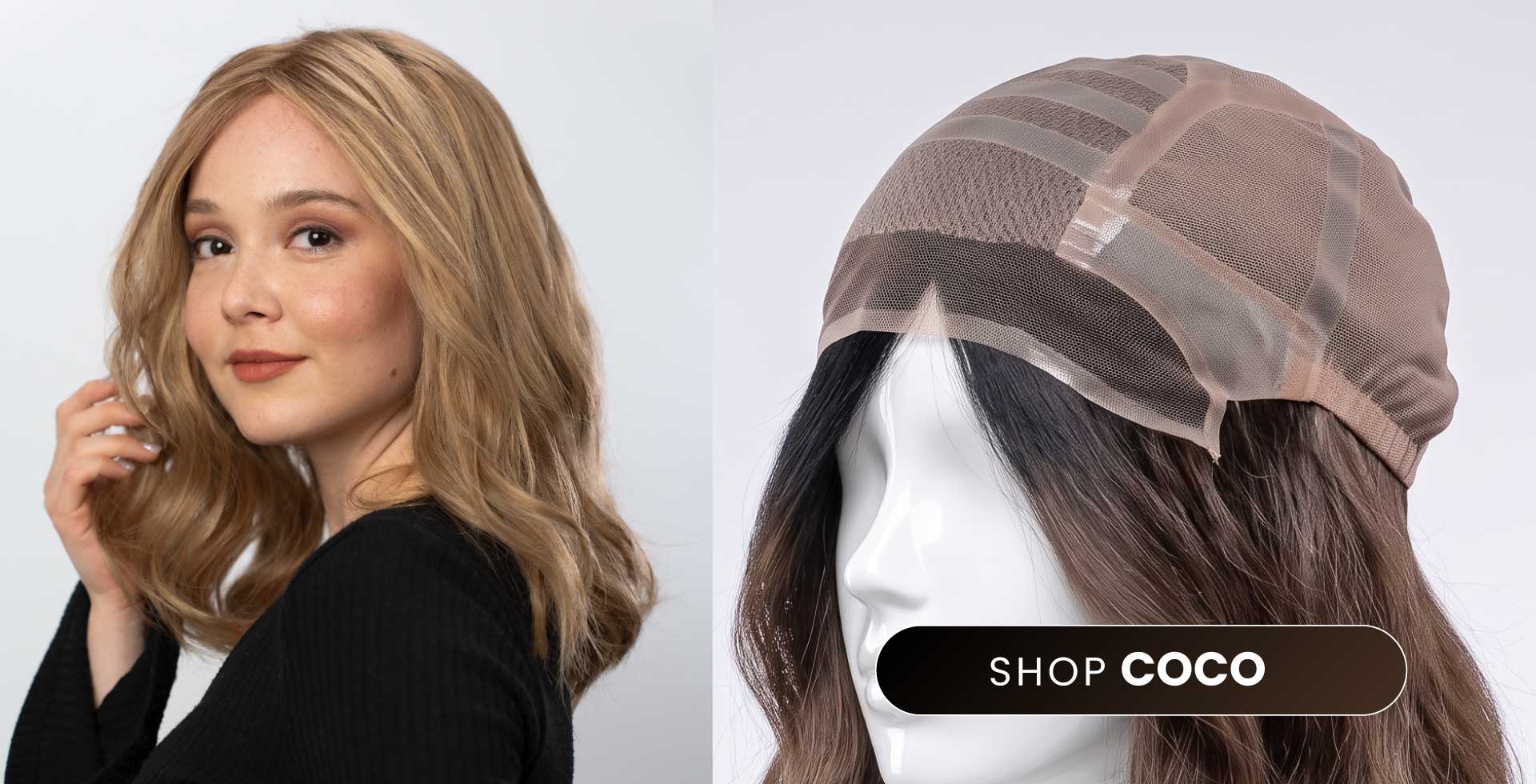
- Length: 16" premium hair
- Base: Silicone suction cap that stays put even when wet or sweaty
- Hairline: Invisible French lace front with a soft diamond lace top.
- Holds 110% hair density
- Fit: A stretch neck back adjusts to different head sizes
- Extras: Polyurethane bonding areas at the temples and back, for adhesive on daily, weekly, or extended wear
- Best for: Sports, dancing, and active lifestyles
Angelina
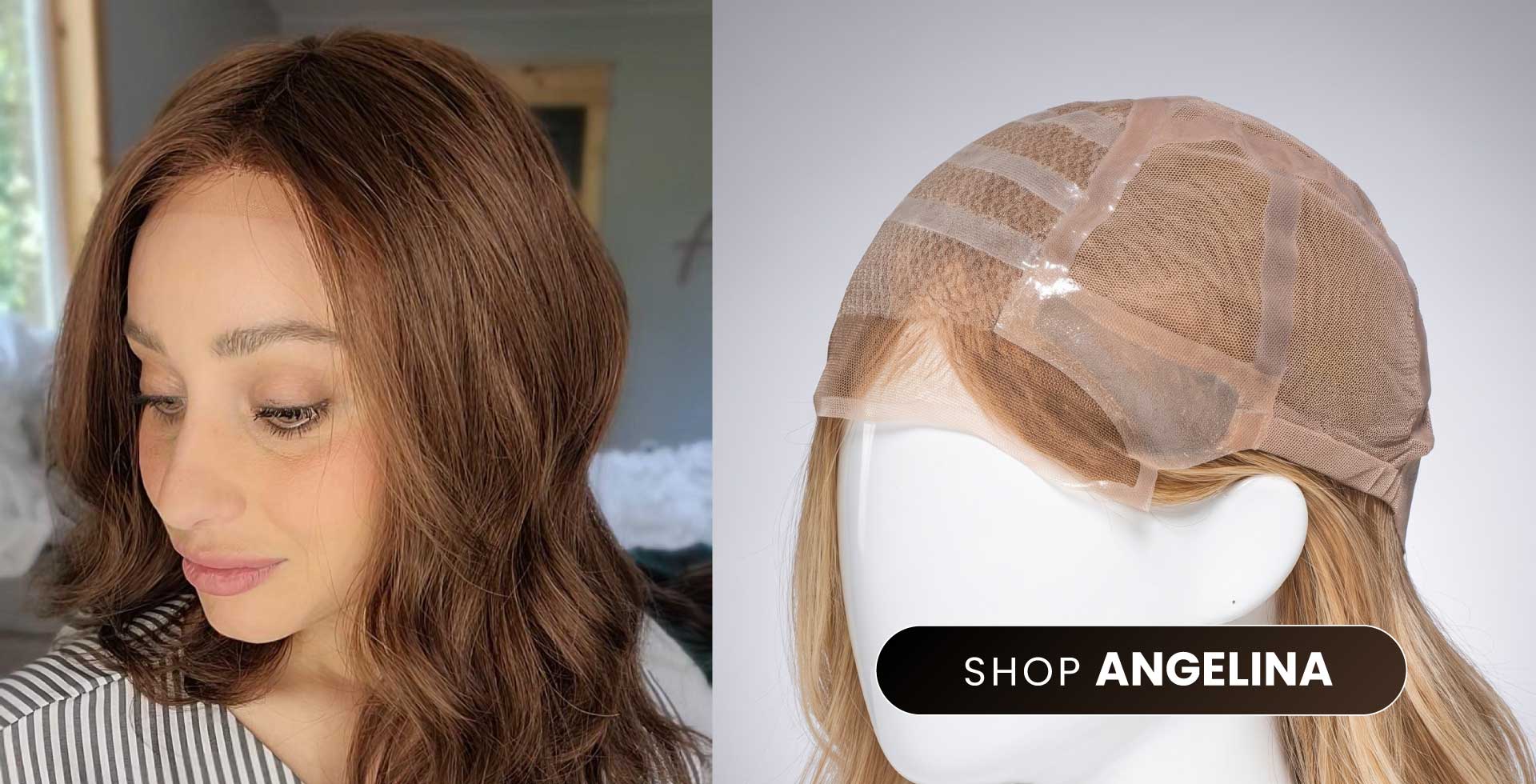
- Length: About 20", with a natural water wave and layers
- Hair: Premium Chinese human hair, medium-light density
- Base: Silicone suction cap that holds even while swimming
- Hairline: Diamond lace top with a ½" French lace front
- Best for: Anyone who wants a fuller, wavier look
Fiona
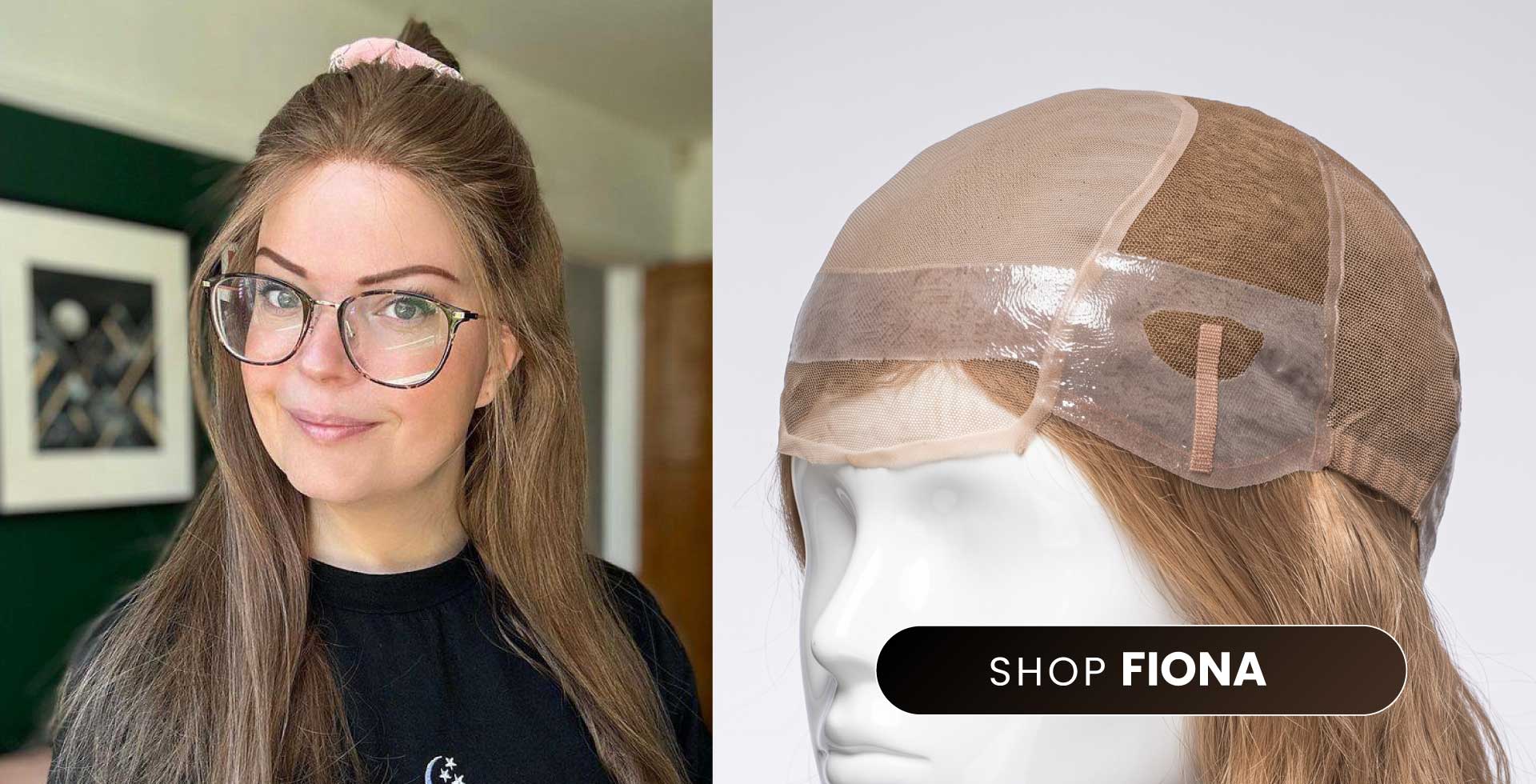
- Length: 20", layered
- Base: Silicone perimeter that stretches, clings securely, and lies flat with no edge curling
- Hairline: ½" French lace front
- Hair: 100% hand-tied, medium density
- Best for: Total or near-total hair loss
Adele
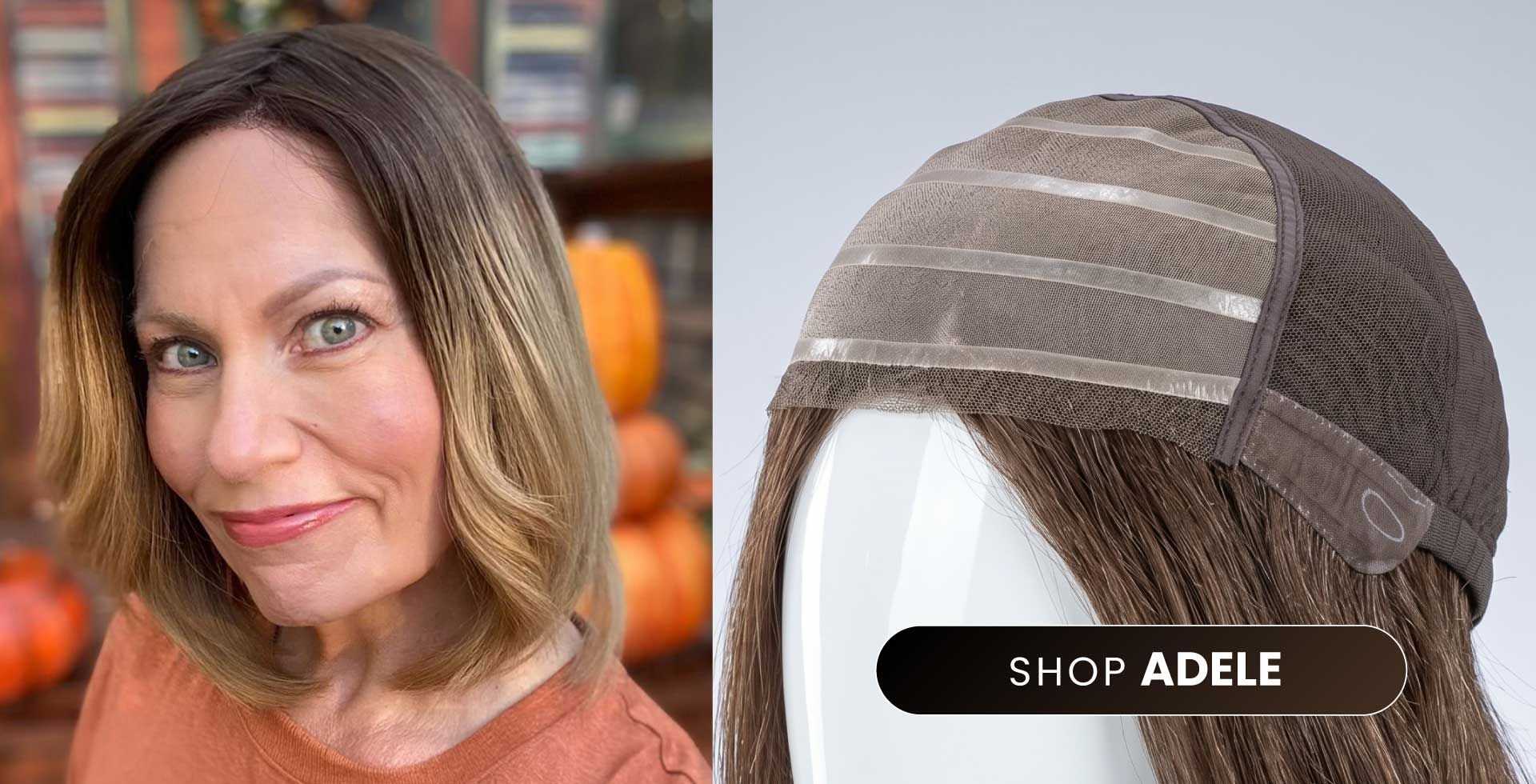
- Length: Short, layered bob with a blunt, flared, modern style
- Hair: Premium Remy human hair, medium-light density
- Base: Breathable monofilament silk top
- Attachment: Silicone strips and tabs, so no adhesive is needed
- Fit: Stretchable back with adjustable hooks
- Best for: A glue-free, edgy short style
Monica
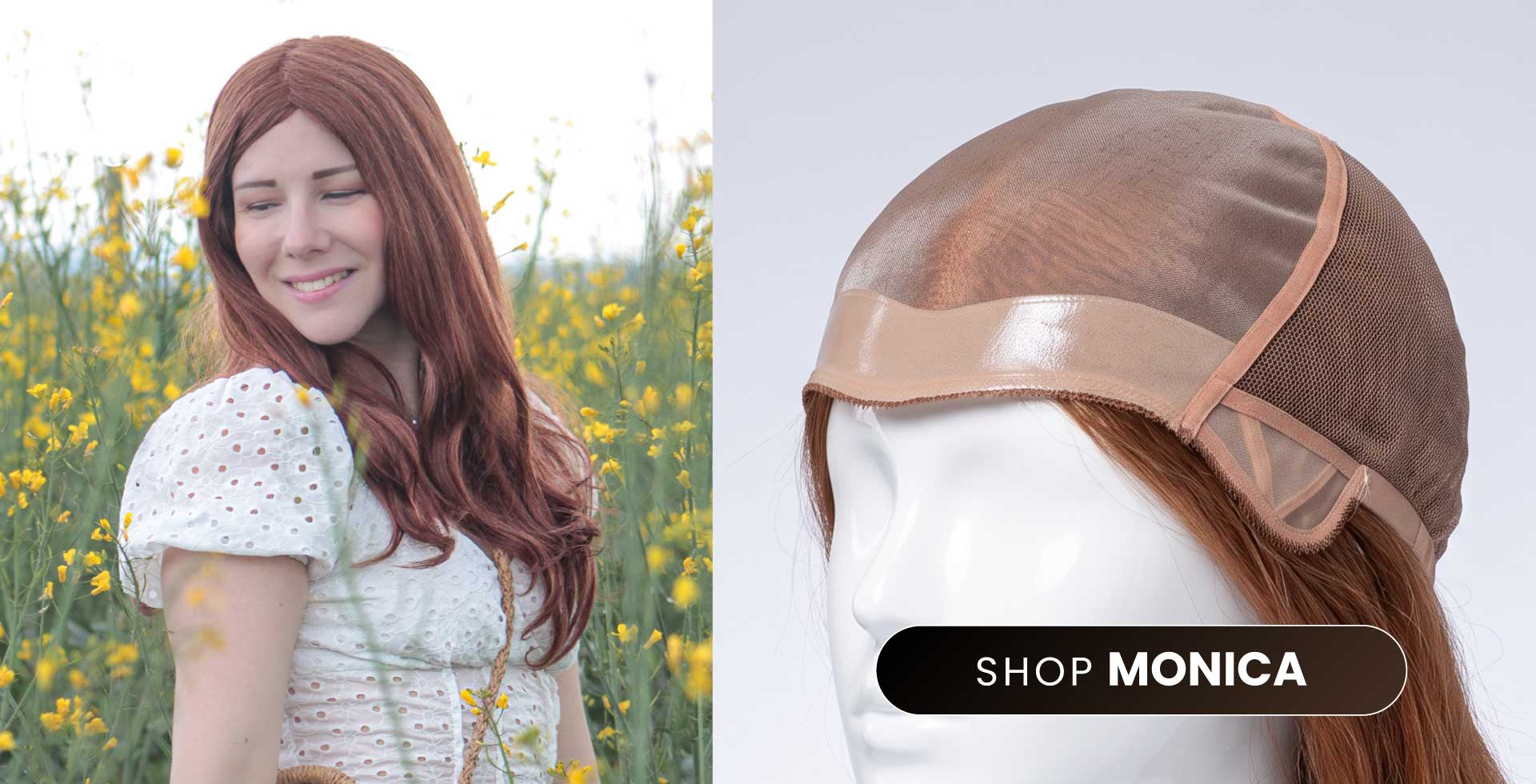
- Length: About 24", the longest option
- Hair: 100% hand-tied Indian hair, 120% density
- Base: Ultra-fine mono mesh that mimics your natural skin tone
- Attachment: 1" poly skin strips at the front for tape, for daily or weekly wear
- Fit: Stretchable with adjustable back hooks
- Best for: Anyone who wants lots of length
Sophia (Kids)
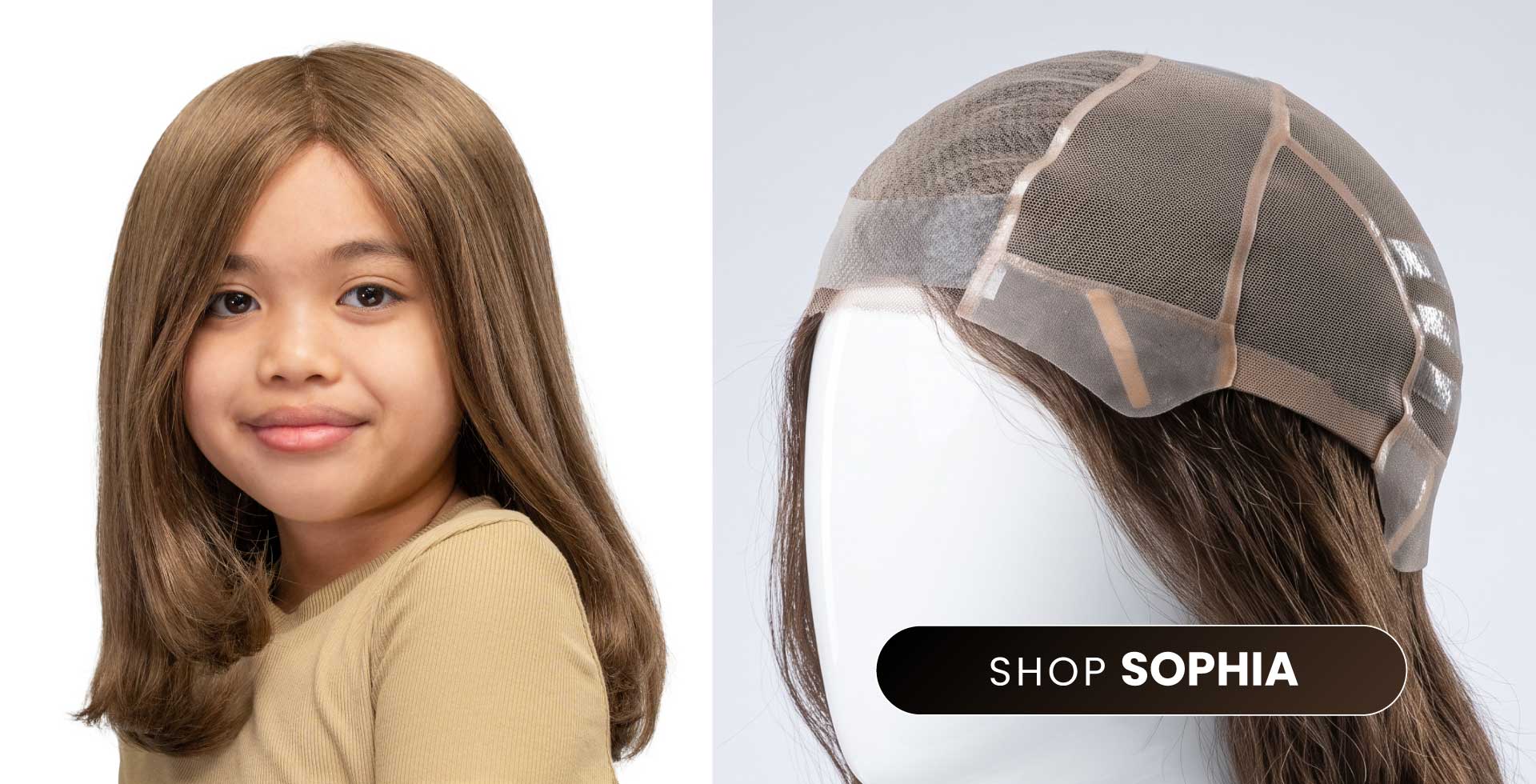
- Length: 14" Indian Remy hair, naturally straight
- Base: French lace base and front with silicone strips and tabs
- Attachment: Adhesive-free, with no glue or tape needed
- Density: Light to medium, for a lightweight feel
- Best for: Children, and it comes in a wide range of colors
EuroBree
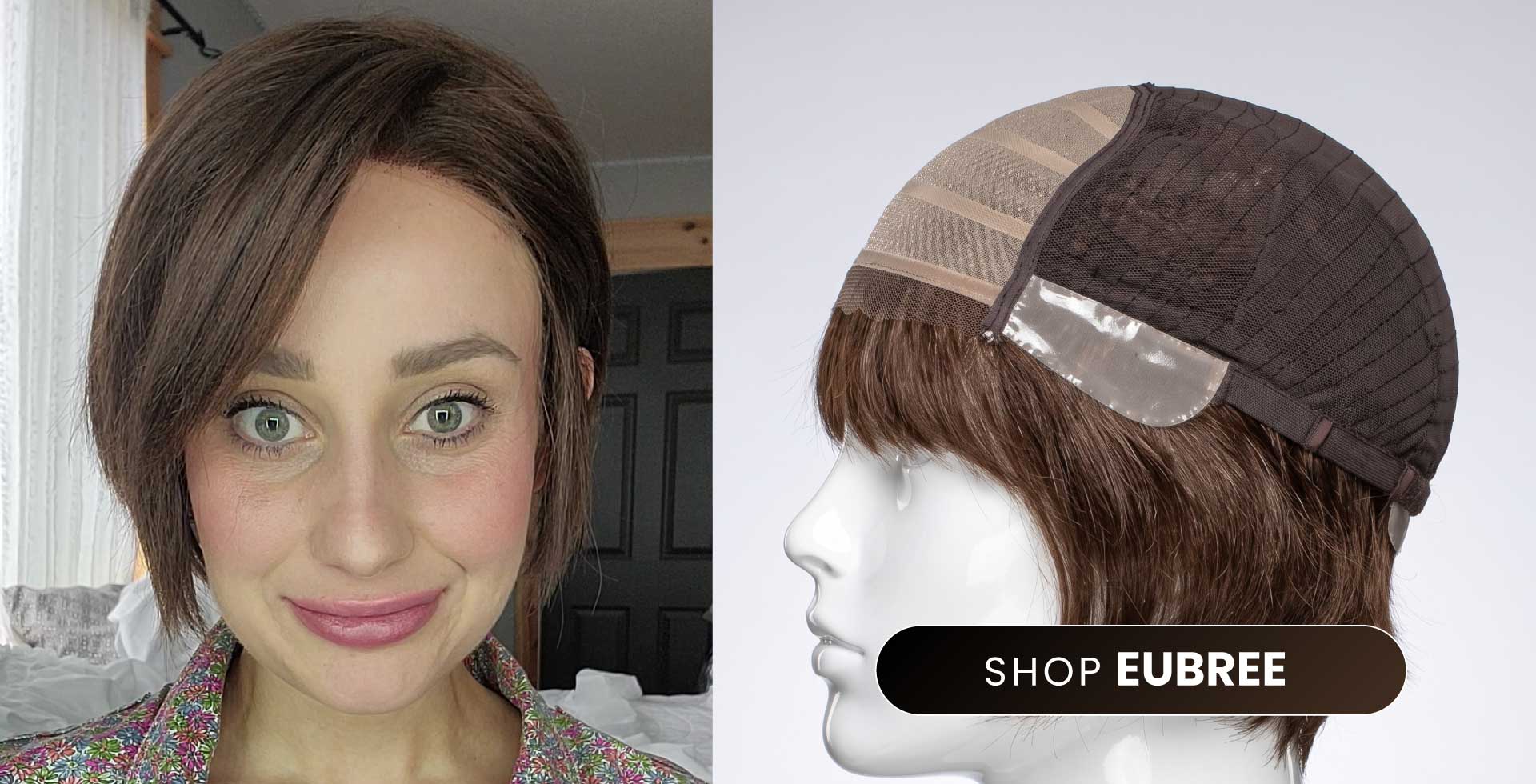
- Length: Short
- Hair: Silky European hair
- Base: Mono silk top with silicone strips
- Attachment: Built-in tabs grip the temples and back
- Hairline: French lace front
- Best for: Adele fans who want European hair
Comparison Chart
| Wig | Length | Hair Type | Density | Cap / Base | Attachment | Best For |
|---|---|---|---|---|---|---|
| Selena | 20" | Human hair | 110% medium-light hair density | Silicone + diamond lace top | Suction + PU tabs | Sleek, activewear |
| Coco | 16" | Premium hair | 110% medium-light hair density | Silicone + diamond lace top | Suction + PU bonding areas | Sports, sweating |
| Angelina | 20" | Chinese human hair | 110% medium-light hair density | Silicone + diamond lace top | Suction + PU tabs | Wavy, fuller look |
| Fiona | 20" | Hand-tied human hair | 120% medium hair density | Silicone perimeter | Silicone cling | Total hair loss |
| Adele | Short bob | Remy human hair | 110% medium-light hair density | Mono silk top | Silicone strips/tabs (no glue) | Short, glue-free |
| Monica | 24" | Indian hair | 120% medium hair density | Mono mesh | Tape-on poly strips + hooks | Long hair |
| Sophia | 14" | Indian Remy hair | 100% Light-medium density | French lace | Silicone strips (no glue) | Kids |
| EUBree | Short | European hair | 110% medium-light hair density | Mono silk top | Silicone strips/tabs | Short, silky texture |
Need a custom fit? Custom-made wigs for alopecia are built to your measurements.
Does Insurance Cover Wigs for Alopecia?
Check with your insurance company, but often, yes, it is covered. Ask your doctor for a prescription for a "cranial prosthesis" that includes your diagnosis. Wigs are commonly billed under HCPCS code A9282, but confirm with your insurer which code and documentation they need. In the U.S., HSA or FSA funds may apply. In Canada, check your private plan and ask a tax professional about the medical expense tax credit. Learn more on our Wig Insurance page.
Tips From People Living With Alopecia
Join a hair loss community online, so you know you're not alone. Be patient with yourself. Try different styles, lengths, and colors. Talk openly about your experience to help reduce stigma. And remember: there's a solution for every stage of hair loss, and hair loss doesn't define you.
Here is some support and advice from someone who lives with Alopecia, because it isn't just about losing hair, but finding renewed confidence in yourself:
Frequently Asked Questions
What should I look for in a wig for alopecia?
A silicone base, glueless attachment, a French lace front, a breathable top, hand-tied human hair, the right cap size, and natural density.
What is the most comfortable wig for alopecia?
Glueless wigs with a soft silicone cap and a lace or mono silk top are typically most comfortable for all-day wear.
Does alopecia areata go away on its own?
Sometimes. Up to half of people with patchy hair loss regrow hair within a year, but recurrence is common.
Is there a cure for alopecia areata?
No, but the FDA has approved three treatments for severe cases since 2022.
What is the best wig for a child with alopecia?
A lightweight, child-sized human hair wig with a silicone grip and no adhesive, like Sophia. You can even try our Jane base wigs for amazing results.
You're Not Alone
Hair loss doesn't define you. Your confidence does. This Alopecia Awareness Month, whether you choose a wig, a topper, a scarf, or embrace your natural look, the choice is yours.
Ready to find your match?
Explore medical wigs or book a free online consultation, and we will help you find your perfect match.
Get a personal, private consultation for free:
Related reading:
- Women with Alopecia: Embracing Strength and Beauty
- Hairs To You Podcast: Alopecia Misconceptions
- The Best Alopecia Wigs for Women
Sources
- Pfizer, "Alopecia Areata Overview," https://www.pfizer.com/disease-and-conditions/alopecia-areata
- National Alopecia Areata Foundation (NAAF), "Alopecia Areata," https://www.naaf.org/alopecia-areata/
- NIH / StatPearls, "Alopecia Areata," https://www.ncbi.nlm.nih.gov/books/NBK537000/
- NIH / MedlinePlus Genetics, "Androgenetic Alopecia," https://medlineplus.gov/genetics/condition/androgenetic-alopecia
- Clinical, Cosmetic and Investigational Dermatology, "Epidemiology and Burden of Alopecia Areata: A Systematic Review," https://www.tandfonline.com/doi/full/10.2147/CCID.S53985
- Lauron S, Plasse C, Vaysset M, et al. Prevalence and Odds of Depressive and Anxiety Disorders and Symptoms in Children and Adults With Alopecia Areata: A Systematic Review and Meta-analysis. JAMA Dermatol. 2023;159(3):281–288. doi:10.1001/jamadermatol.2022.6085 https://jamanetwork.com/journals/jamadermatology/article-abstract/2800633
- MDedge / Medscape "FDA Approves Deuruxolitinib for Severe Alopecia Areata in Adults," https://mdedge.com/content/fda-approves-deuruxolitinib-severe-alopecia-areata-adults

 Likes
Likes