USD
USD
How to Choose a Low-Density Hair System for Men
Posted by Santana Fell on Sep 22, 2026
Quick answer: A low-density hair system is a men's hairpiece built with fewer hair strands per square inch of base than a standard system, mimicking the natural gaps real hair has at the scalp. The best low-density hair systems for men balance three things: an appropriate density percentage (usually 75%–100% for a "light" or "low" density label), a well-matched base material (mono, lace, or skin), and a natural-looking hairline.
What Is a Low Density Hair System?
In the hair replacement industry, "density" refers to how many hair strands are knotted into each square inch of the base, expressed as a percentage of average natural hair density (100%). A low-density hair system, sometimes called a light-density toupee, typically falls in the 80%–95% or 100%% range, versus 120%–130%+ for standard or heavy-density units.
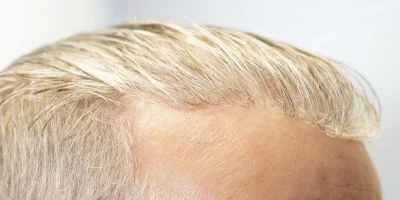
Lower density matters because real human hair is never perfectly uniform. Even people with a full head of hair show some visible scalp when parted or viewed up close, especially near the hairline and temples. A hair system with too much density looks artificially thick, the classic giveaway that someone is wearing a "toupee." Low density hair systems solve this by replicating natural thinning patterns.
Why Men Choose Low Density Hair Systems
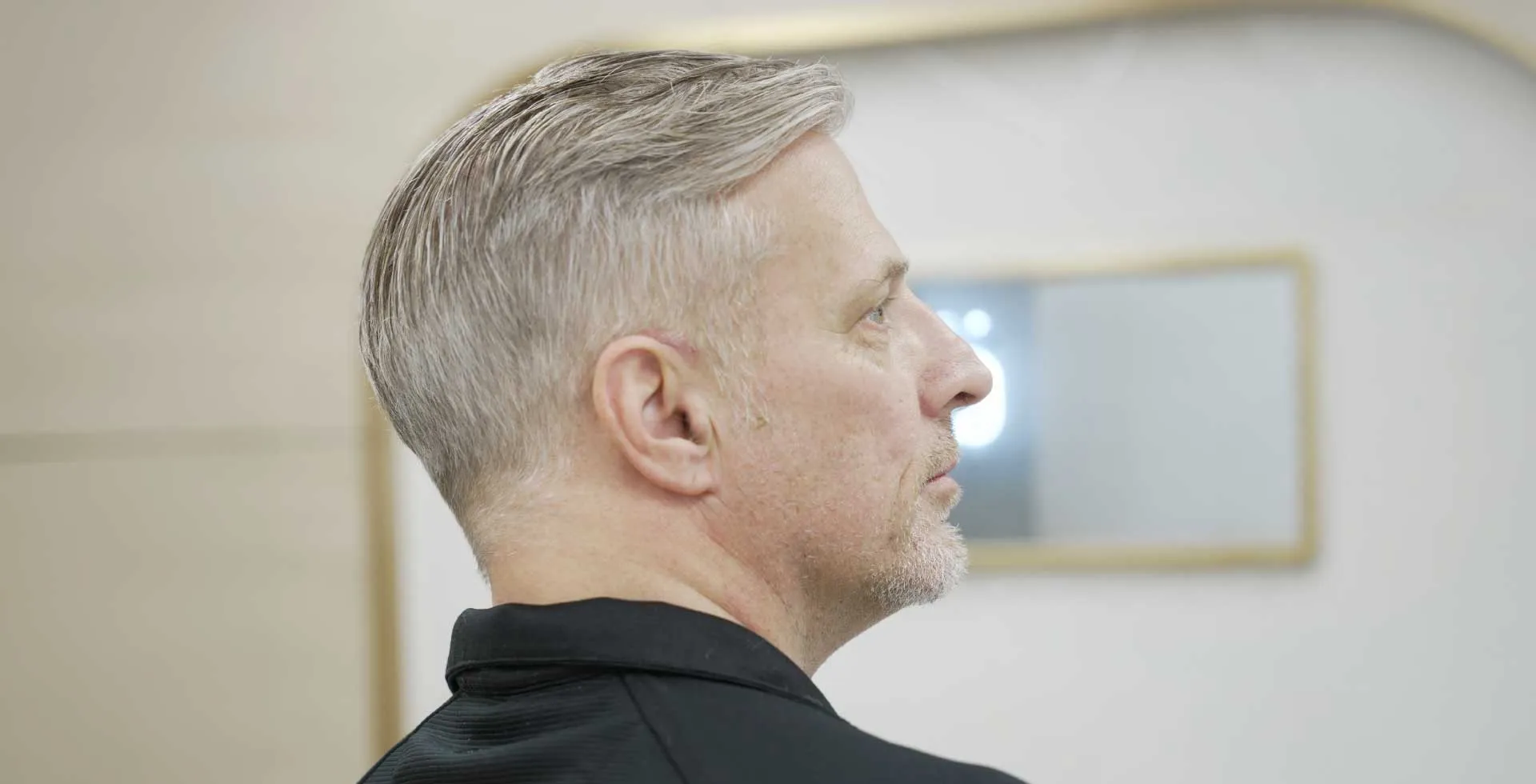
Undetectable, natural hairline: Lower strand count, especially at the front, blends into skin or lace rather than sitting as a visible "wall" of hair.
Lighter feel and more natural movement: Low-density hair parts and moves more like real hair, rather than sitting stiff.
Easier blending with existing hair: For men with some natural hair remaining, a low-density system won't look jarringly thicker than what's growing around it.
Age-appropriate: As we age, our natural hair density lessens. A low-density hair system mimics this for an age-appropriate look.
How to Choose the Best Low Density Hair System
1. Check the density percentage, not just the label
"Light," "low," and "light-to-medium" density aren't standardized across brands; always check the actual percentage. As a rule of thumb:
80%–90% = true low density, best for maximum realism and airflow
90%–100% = light density, still natural but slightly fuller. A good middle ground between low- and medium-density hair systems.
110%+ = light-to-medium density for a natural look with visible coverage
2. Choose the base material according to your lifestyle
Monofilament (mono): Durable, good for daily on/off wear.
French lace: The most natural-looking and breathable option, but generally less durable.
Poly/skin base: Easy to attach with tape or adhesive, undetectable for lighter-skinned people.
Hybrid bases: Combine two materials (e.g., lace front with a skin or mono back) to balance realism, durability, and airflow.
3. Look at the hairline shape
A tapered, low-density hairline (sometimes called a knotless V-loop or "invisible" hairline) sells the illusion more than the density number itself. Look for terms like "invisible French lace front" or "knotless V-loop."
4. Consider durability vs. realism trade-offs
Generally, the more natural and breathable a system is, the shorter its lifespan. Lace-heavy, low-density systems often last 2–3 months with proper care, while durable mono hair systems last longer but aren't always the most natural-looking. You can, however, settle for a hybrid system that gives you the best of both worlds.
5. Factor in climate and lifestyle
If you live somewhere warm, sweat heavily, or wear the system daily, prioritize breathability (lace or ventilated skin bases) over pure durability.
NEW Superhairpieces Low Density Hair Systems for Men to Consider
Here are two new low-density options from Superhairpieces worth knowing about:
Superhairpieces M304
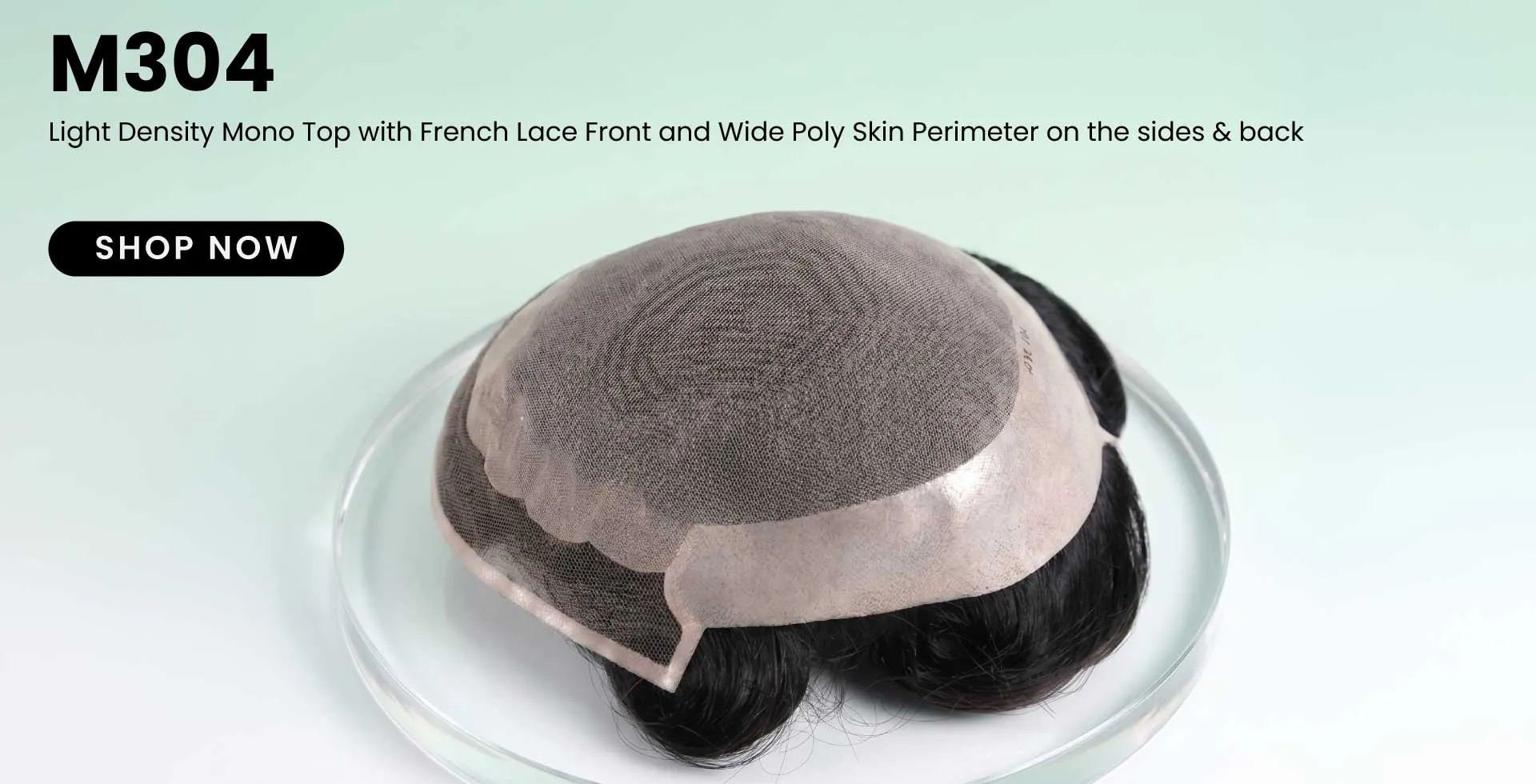
Light Density Mono Top with French Lace Front and Wide Poly Skin Perimeter on the sides & back
The M304 is built specifically as a low-density system, listed at 95% hair density. It uses a fused French lace and monofilament base, a newer manufacturing technique that eliminates the visible transition line between materials for a smoother, more natural finish. The mono silk top is breathable, while the poly perimeter adds durability and supports both tape and adhesive attachment. It's made with soft, fine Indian Remy hair and offers a softer, more age-appropriate look than standard density systems.
Density: 95% (Light)
Base: French lace + monofilament (fused), poly perimeter
Best for: Men who want the lightest, most natural-looking option with medium durability
Price: ~$259
Durability: 2-3 months
Front contour: CC Shape
Hair length: 6" finished length overall
Size: 7"x9.5", can be cut down to 6"x8.5"
Wave: Slightly wavy throughout
Superhairpieces M154
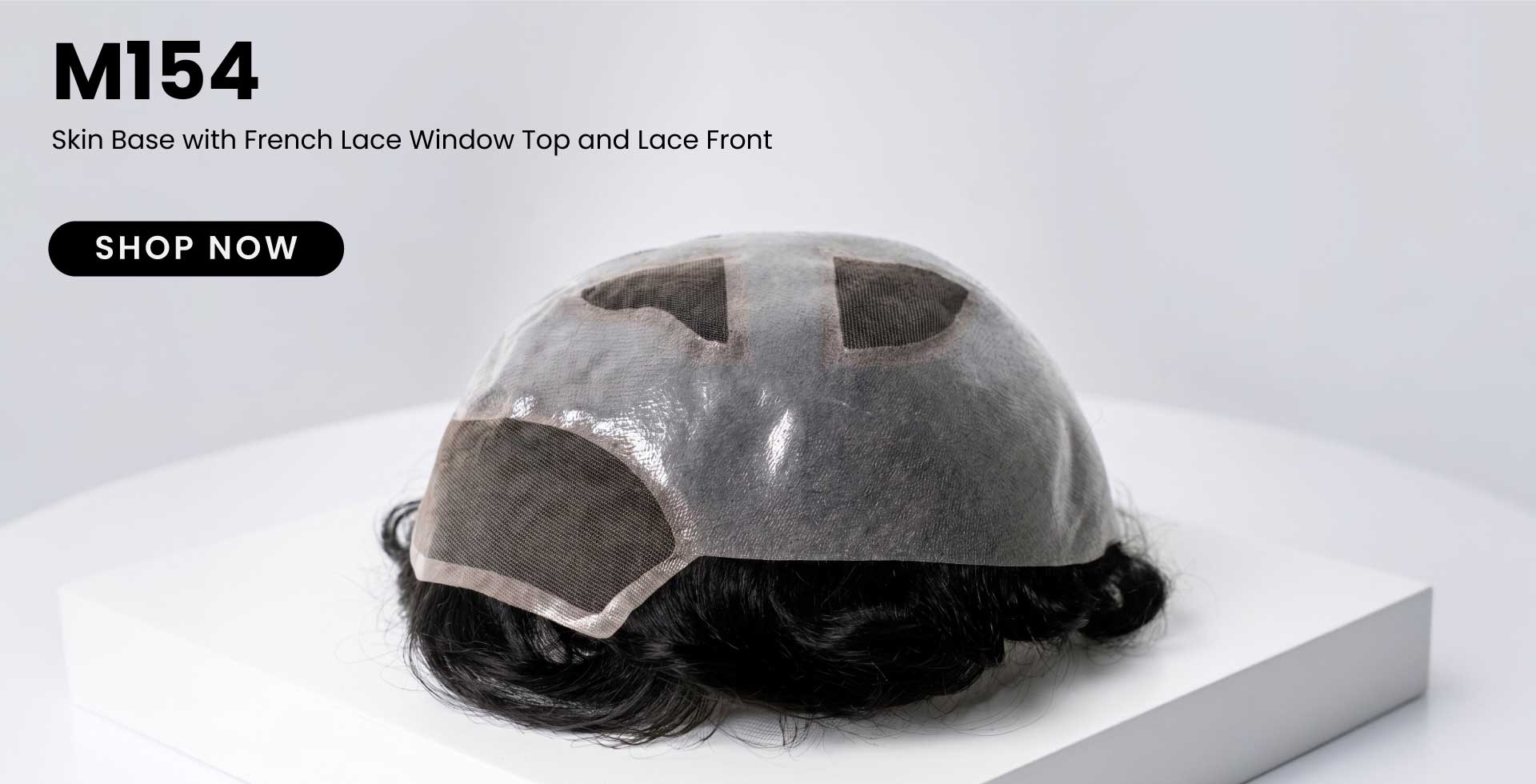
Skin Base with French Lace Window Top and Lace Front
The M154 sits in the light-to-medium hair density range (110% at the top and crown, 100% elsewhere), making it slightly fuller than a true low-density system. Still, it prioritizes breathability, which is what many men want when choosing lighter systems. It combines a French lace front with a poly skin base that has four built-in lace "windows" for extra airflow, plus premium Indian Remy hair.
Density: Light to Medium (110% top/crown, 100% elsewhere)
Base: Poly skin with French lace windows + lace front
Best for: Men prioritizing all-day breathability and easy maintenance over the absolute lowest density
Price: ~$269
Durability: 2-3 months
Front contour: A-shape
Hair length: 6" finished length overall
Size: 8"x10", can be cut down to 6"x8”, virtually any size since the lace area can be cut through(We will not cut shorter as the crown will be gone, and we do not cut the front hairline)
Wave:28mm
FAQ: Low Density Hair Systems for Men
Is low density better than medium or high density?
Not universally; it depends on your goals. Low-density hair systems look more natural, but medium/high density provides more visible coverage. Many men use a density gradient (lighter at the hairline, fuller at the crown) to get both.
What density percentage looks most natural?
Most hair replacement specialists recommend 80%–100% density for a natural, undetectable look, especially at the hairline and temples.
Can I combine low density with a skin base for durability?
Yes, hybrid systems like the M154 pair a durable poly skin base with lace ventilation windows, giving you breathability and easy attachment, a natural look, without sacrificing as much longevity as a full-lace system.
Low-density hair systems are the next big thing in the hair industry. Try one to experience its unreal match!

 Likes
Likes