USD
USD

Does Creatine Cause Hair Loss?
Posted by Santana Fell on Dec 11, 2025
If you are into fitness, gymming, or any athletic activity, you've definitely heard of creatine, the most popular supplement that boosts energy, strength, muscle mass, and performance.
While gym-goers and sports enthusiasts swear by creatine benefits as a pre- and post-workout supplement, many people are staying clear of it due to rumours of creatine causing hair loss.
If you've been considering adding creatine to your fitness routine, but are thinking: "Does creatine cause hair loss?"
Superhairpieces is here to separate fact from fiction, explore what the research really says about creatine and hair loss, and determine whether creatine gains might come at the cost of their hair.
What Is Creatine?
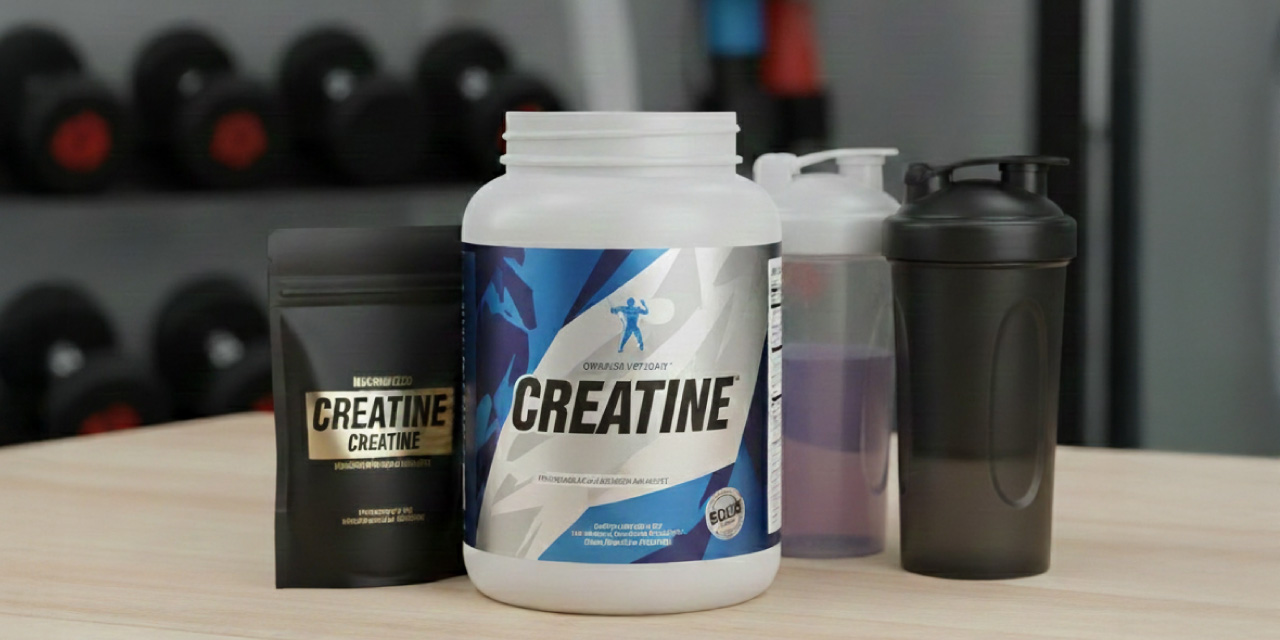
Creatine is a naturally occurring compound found in muscle cells that helps the body produce energy during high-intensity exercise. Your body produces creatine naturally from amino acids, and you also get it from foods like red meat, chicken, and seafood.
Why do people take creatine?
Creatine supplements add to your body’s supply of creatine, boosting the muscles' phosphocreatine stores to provide a burst of energy. Creatine benefits the production of more ATP (adenosine triphosphate), your body's primary energy currency, during intense activity.
People who are into power lifting, muscle building, HIIT, etc., love the boost of energy they get from creatine supplements, which can be consumed as a protein drink, in tablet form, or even in liquid form.
Creatine is viral and loved by many for its many gains. "It's the supplement of the year," commented wellness influencer Bobby Parrish in a TikTok post, "Creatine is legit.”
Creatine Benefits

Before we address any concerns about creatine and hair loss, it's worth understanding why creatine is so widely used. The creatine benefits are well-documented and impressive:
- Enhanced muscle strength and power: Numerous studies show significant improvements in strength training performance
- Increased muscle mass: Creatine helps muscles retain water and supports protein synthesis
- Improved exercise performance: Particularly beneficial for high-intensity, short-duration activities
- Faster recovery: Creatine may reduce muscle cell damage and inflammation after exercise, thereby helping quick muscle recovery
- Cognitive benefits: Emerging research suggests potential brain health advantages
- Affordable and effective: One of the most cost-effective supplements with proven results
While it’s excellent for gains, some people worry it might be bad for their hair. So, is creatine making you bald?
The Creatine Hair Loss Concern

The concern about creatine and hair loss stems primarily from a single 2009 study conducted among college rugby players in South Africa. The study found that creatine supplementation increased dihydrotestosterone (DHT) levels by 56% after seven days of loading and maintained a 40% increase during a maintenance phase.
Here's why this matters: DHT, an androgen hormone derived from testosterone, plays a significant role in male pattern baldness. In genetically predisposed individuals, DHT can shrink hair follicles on the scalp, eventually leading to hair loss, as measured using the Ludwig scale for women or the Norwood scale for men, two ranking systems used by dermatologists to classify pattern baldness.
Does Creatine Cause Hair Loss? What the Science Actually Says
The theory behind creatine hair loss suggests that creatine may be converted to DHT, which shrinks hair follicles, thereby increasing hair loss in individuals with a family history of hair loss.
Let's be clear: The link between creatine and hair loss remains theoretical and unproven.
Here's what we know:
Is creatine making you bald?
A recent 2025 study on 38 resistance-trained males (aged 18-40 years) divided into two randomized groups: creatine monohydrate (5 g/day) or placebo (5g maltodextrin/day) for 12 weeks; showed no notable differences in DHT levels, the DHT-to-testosterone ratio, or hair growth measures between the creatine and placebo groups.
This study marked the first direct examination of hair follicle health in relation to creatine supplementation, offering compelling evidence that refutes the idea that creatine causes hair loss.
Creatine side effects like DHT Increase don't Equal Hair Loss
Even if creatine increases DHT levels, several essential factors matter:
1. Individual genetics: Not everyone is susceptible to DHT-related hair loss. You need the genetic predisposition for androgenetic alopecia.
2. DHT remained within normal range: The study showed DHT levels stayed within the clinically normal range for healthy males
3. No hair loss was observed: Despite the DHT increase, study participants didn't experience hair loss during the research period.
Correlation Isn't Causation
Many people take creatine during intense training periods when they're also:
- Experiencing physical or mental stress
- Potentially restricting calories
- Taking multiple supplements
- Using other substances
These factors make it challenging to isolate creatine as the sole cause of any observed hair changes.
Real Users' Opinions on Creatine Causing Hair Fall
There has been little research into creatine’s effect on hair loss and even less on a varied group of individuals. However, while clinical trials and research show that creatine has little to no impact on hair fall unless you are predisposed to hair loss, real users beg to differ.
Here are some examples of what real creatine users have to say:
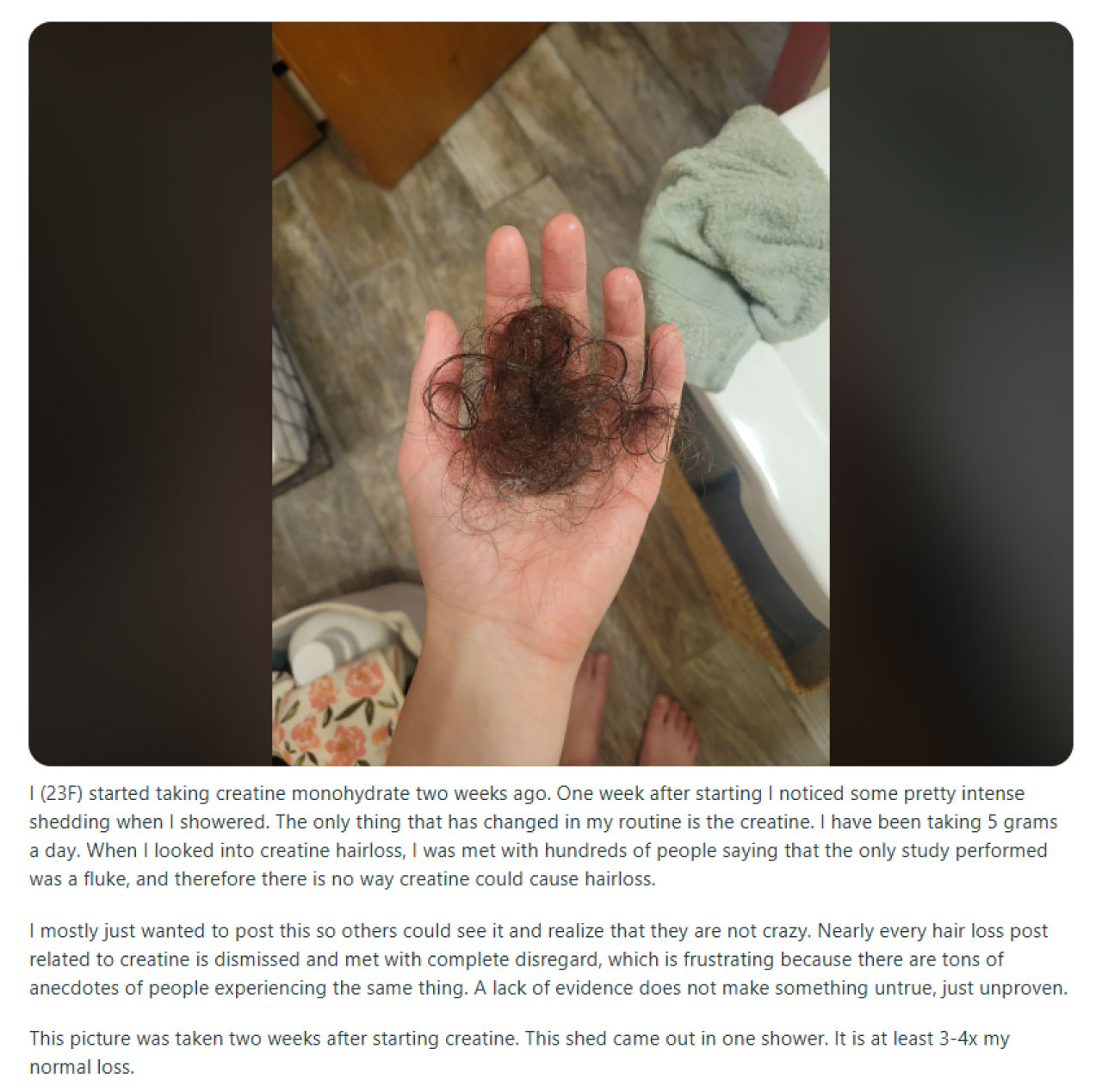
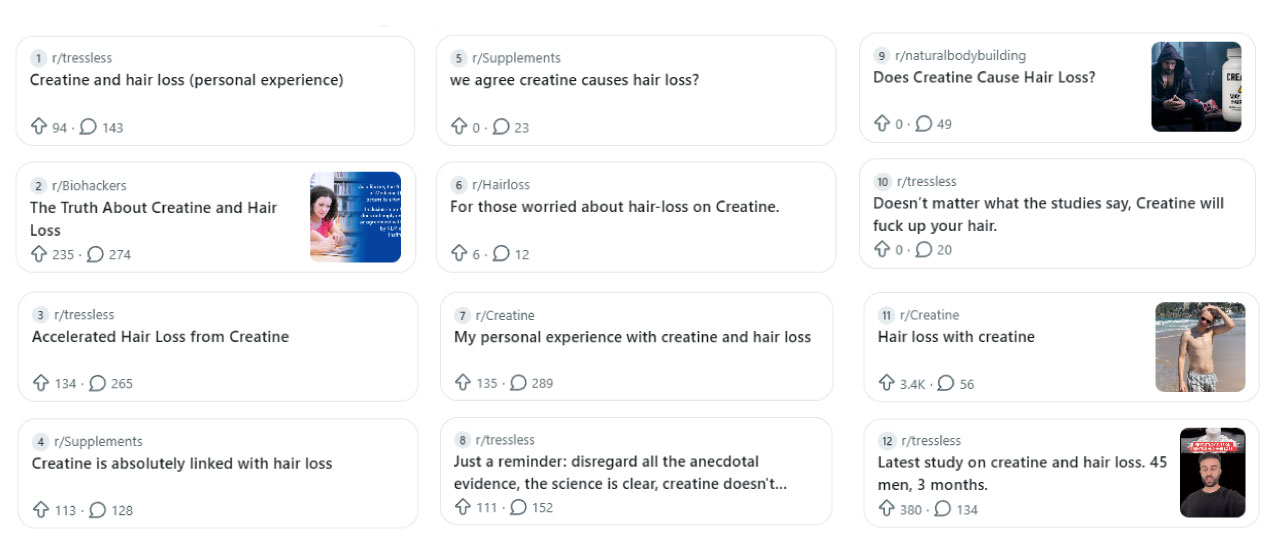
Source: https://www.reddit.com/r/Creatine/comments/1cegi4g/crazy_hair_loss/
Personal Experiences
- Hair Loss Reports: Many users have reported experiencing increased hair shedding after starting creatine. "I started taking creatine for two weeks, and my hair started shedding. I stopped taking it, and my hair stopped shedding."
- Genetic Predisposition: Some believe that creatine only affects those who are already genetically predisposed to hair loss. "Yes, this is the only proven side effect, but as you mention, only to those who are prone to lose hair."
- Mixed Experiences: Some users have taken creatine for years without experiencing any hair loss. "Been on finasteride for 20 years here. Probably on Creatine for 10 of those. Never saw any loss after my first day on fin. Stable for 20 years now."
Scared to take creatine?
Understandably so!
Here are some things to consider when taking creatine supplements:
- You have no family history of male/female pattern baldness
- You're not currently experiencing hair loss
- Your hair is thick with no signs of thinning
- The performance benefits outweigh theoretical concerns
- You're already at Stage I on the Norwood scale with no progression
- Multiple family members experienced early hair loss
- You're already showing signs of thinning (Ludwig Scale Grade II or higher)
- You're currently losing more hair than normal
- You're on the Norwood Scale Stage III or beyond
- You have other risk factors for androgenetic alopecia
- Start with a conservative dose (3-5g daily)
- Monitor your hairline and crown carefully
- Take progress photos every 4-6 weeks
- Discontinue if you notice changes
- Iron deficiency
- Insufficient protein intake
- Vitamin D deficiency
- Biotin deficiency
- Thyroid disorders
- Autoimmune conditions (alopecia areata)
- Hormonal imbalances
- Chronic stress
- Extreme calorie restriction
- Crash dieting
- Lack of sleep
- High physical or emotional stress
- Tight hairstyles (traction alopecia)
- Excessive heat styling
- Chemical treatments
- Over-washing or harsh products
Monitor Your Hair: If you have started taking creatine and notice increased hair loss, consider stopping and see if the shedding reduces. Try discontinuing and give it a bit to see if it’s the cause.
Consult a Professional: If you are concerned about hair loss, consult a dermatologist or healthcare professional. "Went to a derm who said she didn't think I had Androgenic alopecia, and it had to do with nutrition and gave me some iron supplements and a multi," said one Reddit user.
Consider Alternatives: For those experiencing irreversible hair loss, consider alternatives like a toupee to get a full head of hair instantly.
Should You Avoid Creatine If You're Worried About Hair Loss?
This is a personal decision that depends on several factors:
Consider Taking Creatine If:
You Might Want to Be Cautious If:
Alternative Approach:
Other Factors That Actually Cause Hair Loss
If you're experiencing hair loss, creatine is unlikely to be the culprit. Consider these more common causes:
Nutritional Deficiencies:
Medical Conditions:
Lifestyle Factors:
Hair Care Practices:
What to do if you’re dealing with hair loss: Creatine and hair fall
There’s actually no solid evidence that creatine directly causes hair loss. However, doctors suggest that if you’re genetically predisposed to hair loss, elevated DHT might accelerate it. But creatine’s role in that process remains speculative.
Kinesiologist Nicole Budani, a guest on the Superhairpieces Hairs To You podcast and an expert in athletic therapy, weighed in on this topic. She says there’s no strong link between creatine and hair loss. According to her, creatine primarily supports muscle healing. It doesn’t significantly impact testosterone or DHT levels, and she hasn’t seen any correlation between creatine use and hair loss in her experience.
Creatine is considered highly safe for healthy individuals. Thousands of studies support its safety profile over both short and long-term use.
So if you’re taking creatine responsibly, three to five grams a day, you’re likely in the clear. Still worried? Talk to your doctor, especially if hair loss runs in your family.
Of course, like any supplement, creatine can have side effects like bloating, cramping, or digestive issues. But hair loss? Probably not.
And if you’re already experiencing hair loss or thinning, don’t worry, solutions are out there.
Hair Systems for Men
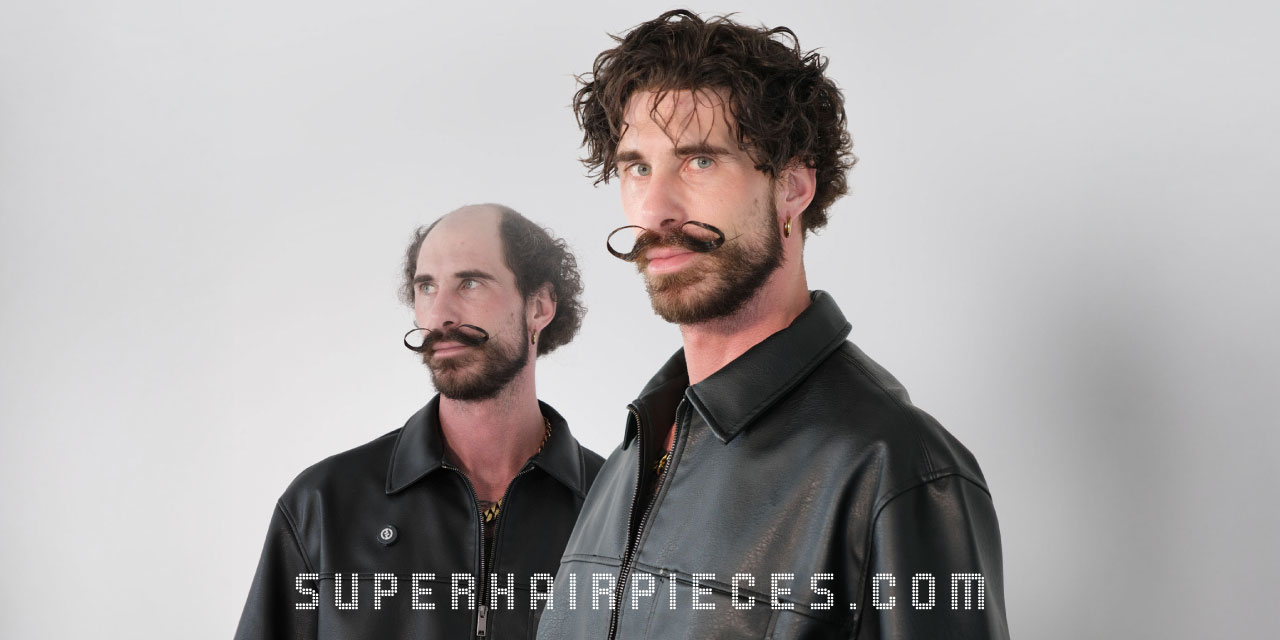
Creatine may or may not accelerate hair loss, but that doesn’t resolve the issue if you’re still experiencing thinning or male pattern baldness. The best course of action is to consult a doctor, whether it's your family physician or a dermatologist. This will help you identify the underlying cause of your hair loss and guide you in deciding your next steps.
If your hair loss has reached an extreme stage and regrowth seems impossible, a hair system might be the solution for you! With a men's hair system, you can instantly achieve a full head of hair, looking and feeling significantly younger, just like many satisfied Superhairpieces clients.

 Likes
Likes